Gratitude and reflections on “Voices at the Margins”
Participating in Voices at the Margins was both intellectually grounding and emotionally resonant. Presenting my research on decoloniality and entrepreneurship — particularly the stories of Kazakh entrepreneurs reclaiming cultural identity, language, and epistemic sovereignty — felt closely aligned with the spirit of the conference. What stayed with me most was how the audience engaged not only with the theoretical framework of coloniality, but with the lived realities embedded in the narratives themselves. Their responses affirmed that regional experiences can speak meaningfully to global conversations about knowledge and justice.
The visit to the ALZHIR Museum deepened this experience. Standing in a space shaped by memory and resilience gave new weight to our discussions about silence, continuity, and care. I left the conference reminded of how important it is to keep academic work in dialogue with the people and practices that carry cultural knowledge every day.
This blending of research, lived experience, and creative expression made the conference feel both urgent and generous. It reinforced for me how essential it is to bring academic work into conversation with those who carry, shape, and sustain cultural knowledge in everyday life. I leave feeling inspired, grateful, and open to future collaborations that continue this dialogue.
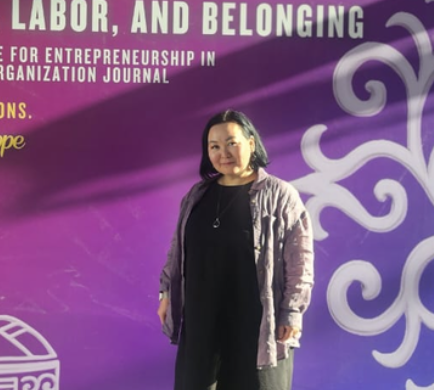
Dr. Nurlykhan Aljanova
Postdoc Researcher at NURCE
Postdoc Researcher at NURCE
Over the past several months, I have been working with NURCE, contributing to the management of various activities, trainings, and events. While this involvement has been valuable, the Voices at the Margins: Rethinking Gender, Labor, and Belonging conference stood out as a distinctly formative experience. Being part of the organizing team created space for close engagement with international scholars and practitioners, reinforcing the importance of centering marginalized voices within academic and policy conversations and strengthening my motivation as a public health student.
The conference consistently highlighted how social conditions, inequality, and lived experience shape access to opportunity and overall well-being. Listening to these grounded accounts prompted deeper reflection on the public health dimensions of marginalization and on how research can respond to structural forms of exclusion. It also encouraged me to think more critically about the role of evidence-based work in supporting communities that remain overlooked, including those affected by ongoing crises such as in Afghanistan. Taken together, the experience sharpened my sense of purpose and reaffirmed my commitment to contributing to inclusive, socially responsive public health work.
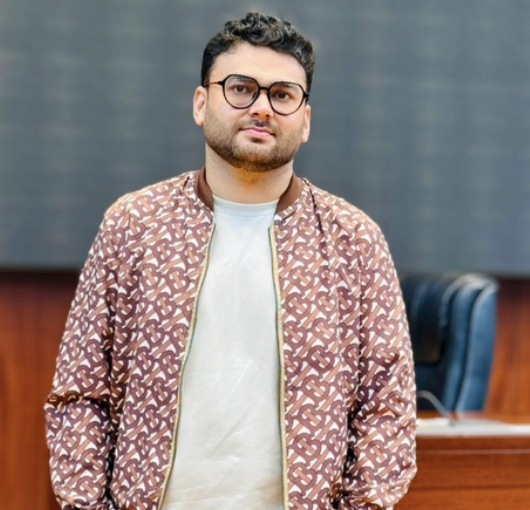
Mohammad Sabur Ehsan
Graduate student in Public Health, Nazarbayev University
Research Assistant, NURCE
Graduate student in Public Health, Nazarbayev University
Research Assistant, NURCE
Being part of the organizing team for Voices at the Margins: Rethinking Gender, Labor, and Belonging gave me the chance to support the conference while also learning from the people who shaped it. Working behind the scenes allowed me to listen closely to the conversations unfolding across disciplines and experiences, and to reflect on how these discussions connect to my own path in public health.
What stayed with me most was the range of voices in the room — researchers, artists, and practitioners — each revealing how deeply environment, opportunity, and social structures influence people’s lives. One presentation in particular highlighted that women, even with higher levels of education, continue to earn less than men across many sectors, including public health. It was a quiet but powerful reminder that inequality often persists in subtle, systemic ways.
These conversations resonated with me on a personal level. Having grown up in Afghanistan, where many women face significant social and structural barriers, witnessing the confidence and achievements of conference participants was deeply meaningful. The experience strengthened my hope to one day contribute to work that represents Afghan women not only through their challenges, but through their resilience, determination, and ability to thrive when given the right conditions. Over time, I have come to believe that women are not simply half of society — they are its soul.
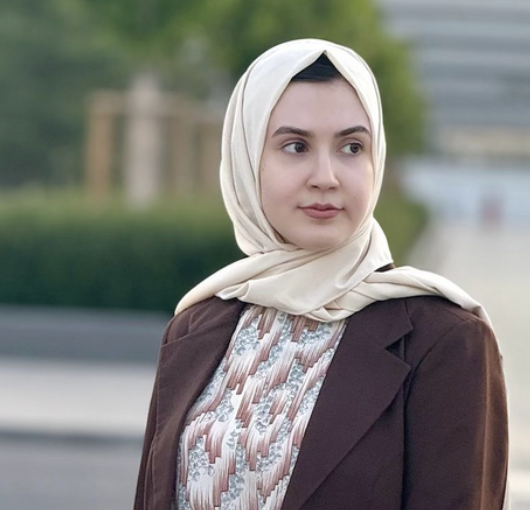
Taiba Fazli
Graduate student in Public Health, Nazarbayev University
Research Assistant, NURCE
Graduate student in Public Health, Nazarbayev University
Research Assistant, NURCE
A journey from snow, struggle, and silence to global solidarity
That single moment marked the beginning of a journey that would profoundly shape my thinking, my work, and my hope.
I had come to Nazarbayev University to participate in Voices at the Margins: Rethinking Gender, Labor, and Belonging, hosted by the Research Centre for Entrepreneurship (NURCE) in collaboration with Gender, Work & Organization. From the very first session, I felt I had entered an academic environment where scholarship, humility, and humanity were deeply intertwined.
I delivered my lecture, “From Data Point to Doctoral Voice: Reclaiming Epistemic Leadership from the Dalit Margins to Central Asia,” sharing the long journey from being seen as a “research subject” to becoming a scholar with agency and voice. Coming from India’s Dalit Scavenger Community, this transition is not just personal — it represents a collective historical assertion. Around the world, marginalized communities are reclaiming space as knowledge producers, theorists, and leaders.
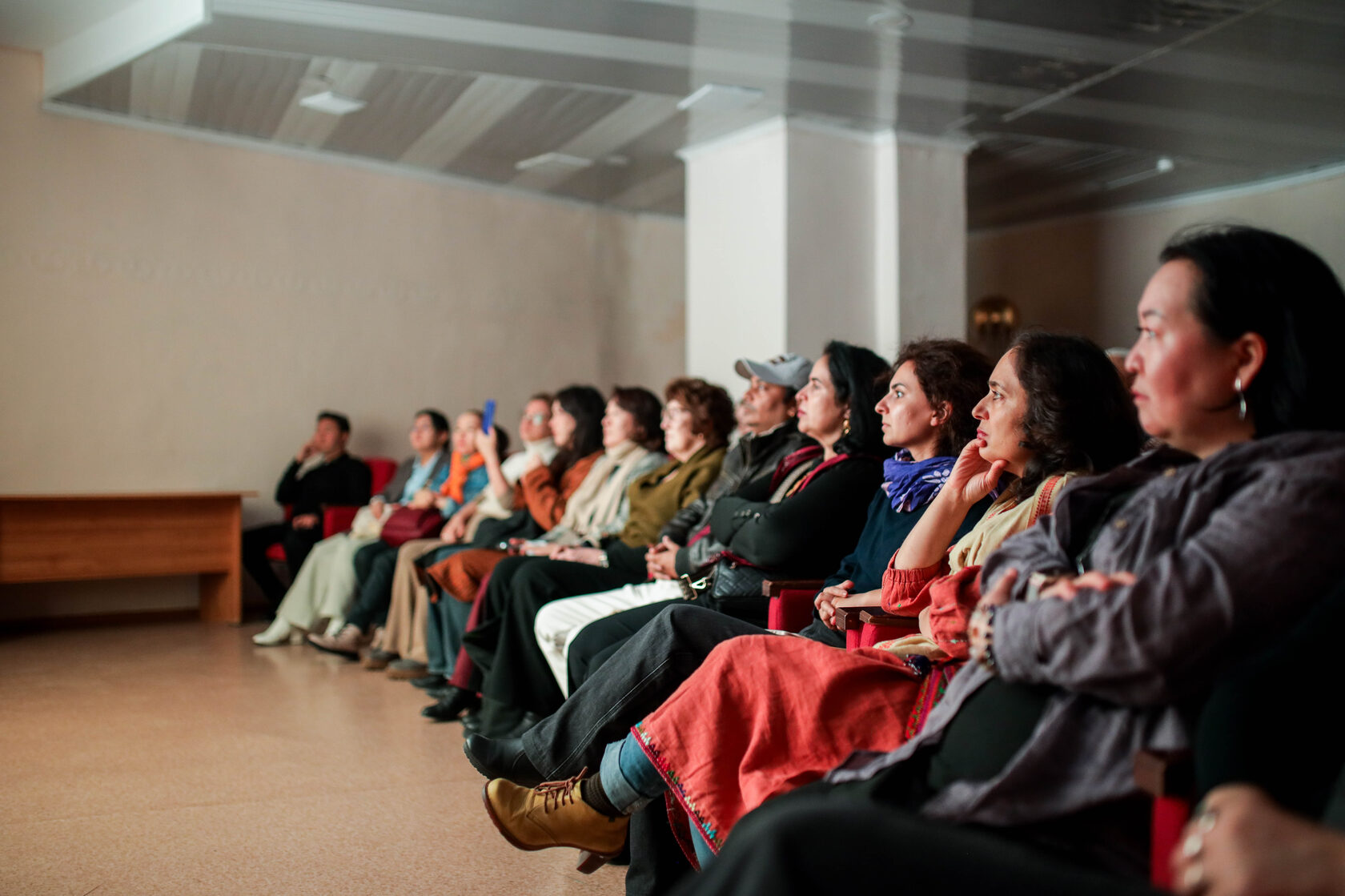
One of the most emotional moments of the conference was the session on Palestine. Scholars from Gaza joined us virtually amid war and devastation. Their words were not commentary but lived truth. When the children of Gaza sang at the end, their voices carried the weight of loss and the power of hope across borders.
Our visit to the ALZHIR Museum of Political Repression and Totalitarianism was deeply personal for me. Learning about the women imprisoned during the Soviet era triggered memories from my own childhood — when, at age eleven, I watched my mother and more than 800 women sanitation workers jailed for demanding dignity. Standing in ALZHIR, I felt the same ache and the same resilience. The stories of Kazakh women echoed those of my own community: silenced, exploited, yet unbroken.
On the final day, I was honoured with the Best Paper Award — a recognition that belonged not only to me but to my entire community and team. It affirmed that our struggles, research, and commitment to justice truly matter. My sincere gratitude goes to Professor Shumaila Yousafzai, whose leadership, compassion, and vision made this conference a transformative experience.
As I left Astana, I carried with me renewed purpose. This journey reaffirmed that our voices, our knowledge, and our leadership have a place on the global stage. From the broken cup of oppression to the dignified tea cup of entrepreneurship, I stand stronger than ever, committed to justice, community, and hope.
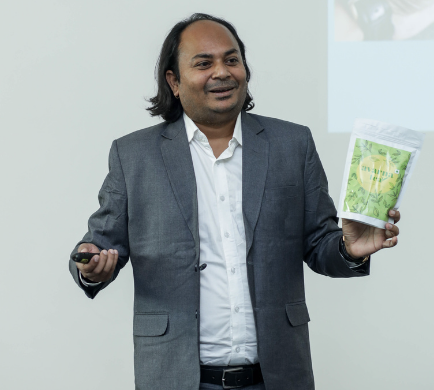
This conference also aligned with a crucial moment in my life as an entrepreneur. In spite of the discrimination and systemic challenges my community continues to face, I recently founded my own tea brand — an initiative rooted in dignity, economic empowerment, and resistance. For generations, Dalits were forced to drink from broken cups, symbols of humiliation. Yet here I was, showcasing my tea brand to an international audience at Nazarbayev University, holding a cup upright with pride. This was more than entrepreneurship; it was history rewritten through self-respect and global visibility.
Dr. Vimal Kumar