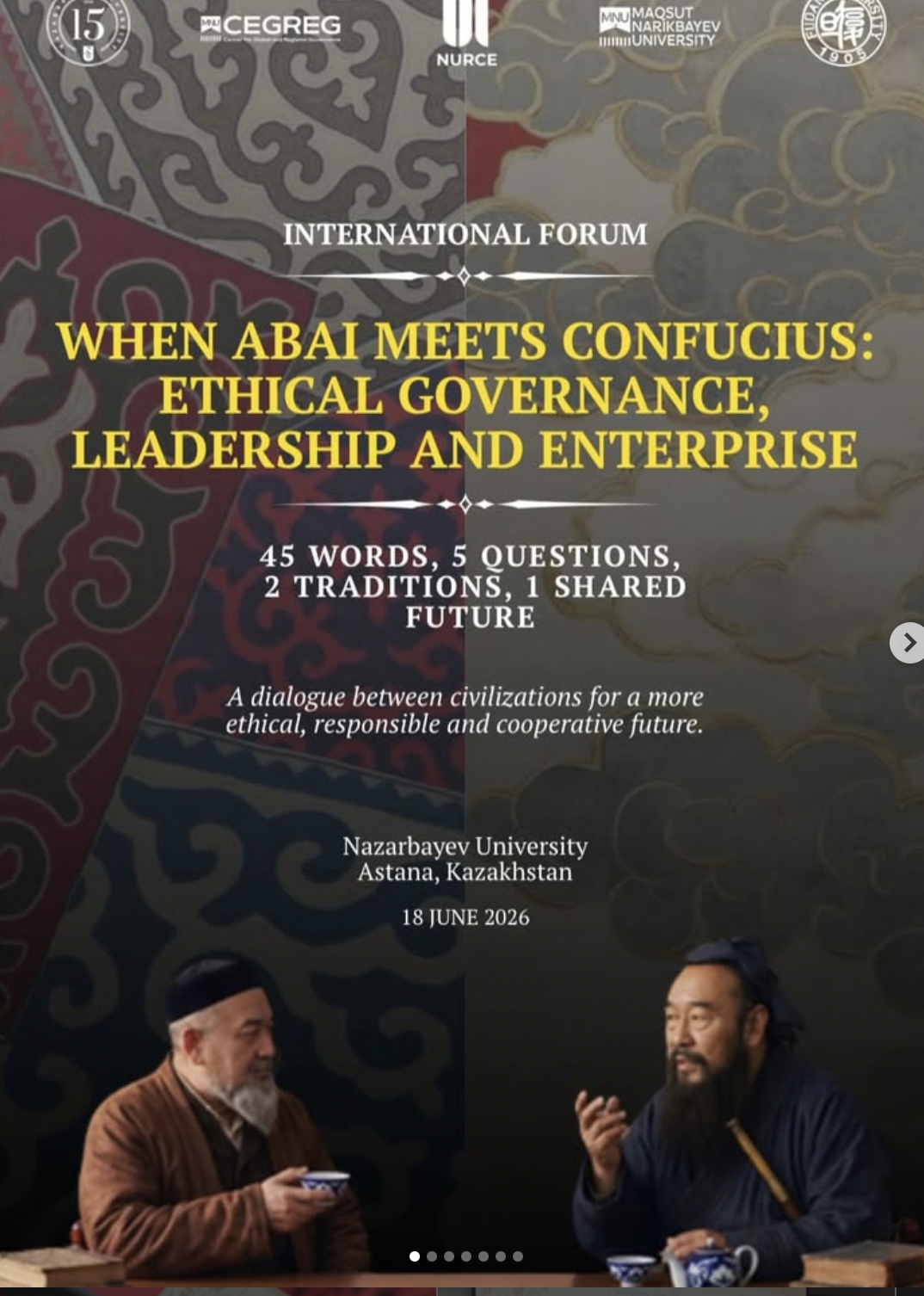
Nazarbayev University Hosts the International Forum When Abai Meets Confucius: Ethical Governance, Leadership and Enterprise
On 18 June 2026, the Nazarbayev University Research Centre for Entrepreneurship (NURCE) hosted the international forum "When Abai Meets Confucius: Ethical Governance, Leadership and Enterprise," bringing together scholars, researchers, government officials, members of the diplomatic corps, representatives of international organizations, entrepreneurs, and students from Kazakhstan, China, and other countries.
The forum became the first international platform to unite the philosophical legacies of Abai Qunanbaiuly and Confucius in an academic dialogue on ethical governance, leadership, and entrepreneurship. Although the two thinkers lived in different eras and belonged to distinct civilizations, their philosophies share a common conviction: that morality, education, and personal responsibility form the foundation of effective leadership, strong governance, and sustainable societal development.
Opening the forum, Professor Shumaila Yousafzai, Chair of the Forum and Director of the Nazarbayev University Research Centre for Entrepreneurship, emphasized that today's world is in urgent need of leadership grounded in values, trust, and responsibility. In her welcoming remarks, she noted that the philosophies of Abai and Confucius remain remarkably relevant, offering meaningful responses to contemporary global challenges.
"We believe that entrepreneurship is far more than an economic activity. It is fundamentally a social and ethical practice that creates opportunities, strengthens communities, and contributes to a sustainable and inclusive future," Professor Shumaila Yousafzai stated.
She also recalled Abai's famous words:
"Love all humanity as your brothers and sisters."
In addition, she referenced one of the central principles of Confucian philosophy:
"Cultivate yourself, strengthen your family, govern the state wisely, and contribute to peace throughout the world."
According to Professor Yousafzai, these ideas formed the conceptual foundation of the forum, which explored new approaches to ethical governance, responsible leadership, and sustainable entrepreneurship.
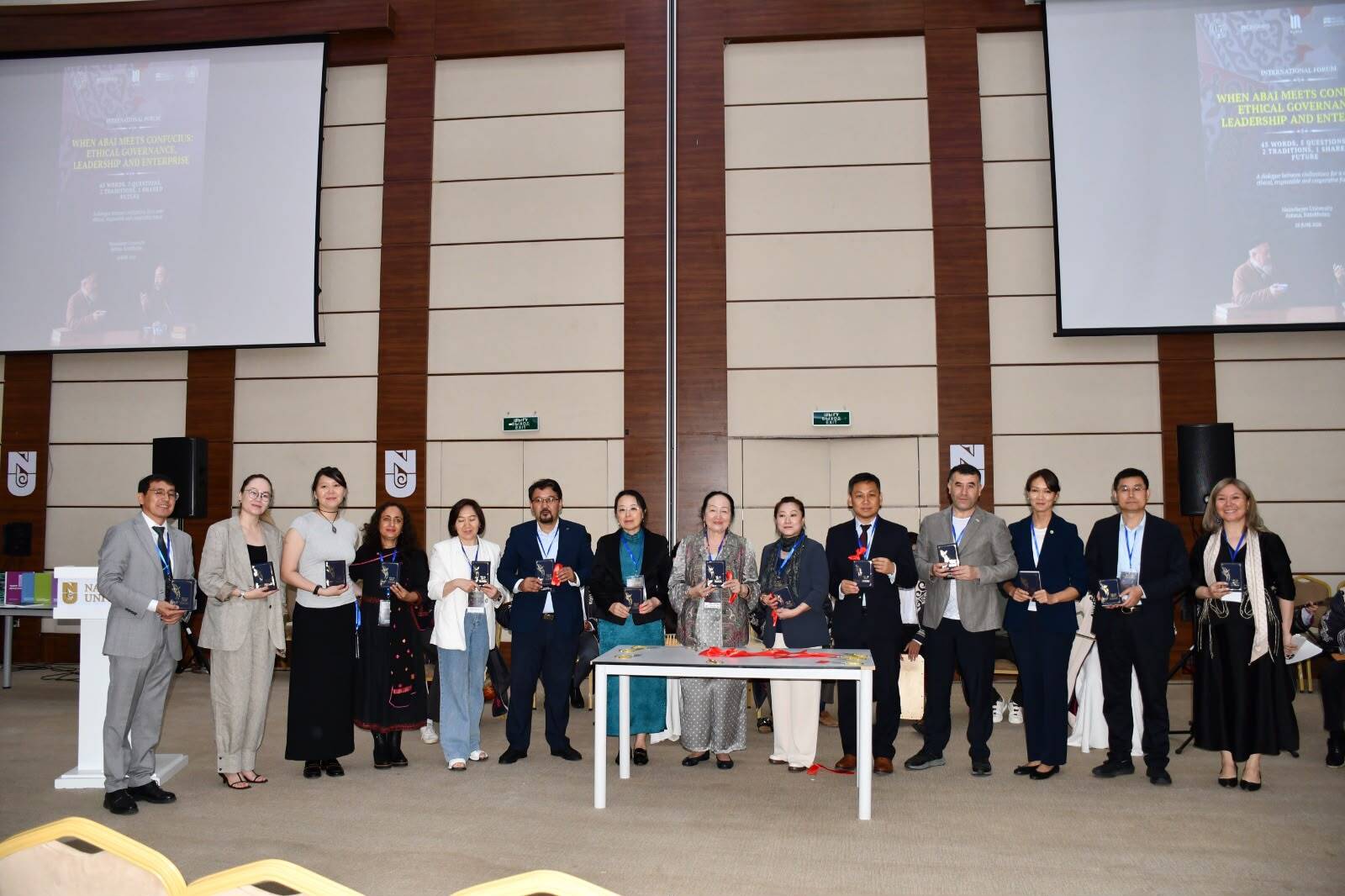
One of the forum's central highlights was the presentation of the book "TOLYQ ADAM: The Living Wisdom of Abai Qunanbaiuly." A symbolic Tusau Kesu (traditional ribbon-cutting ceremony) marked the official launch of the publication, which examines the contemporary relevance of Abai's concept of Tolyq Adam (The Complete Person) and its contribution to values-based leadership, entrepreneurship, and public governance.
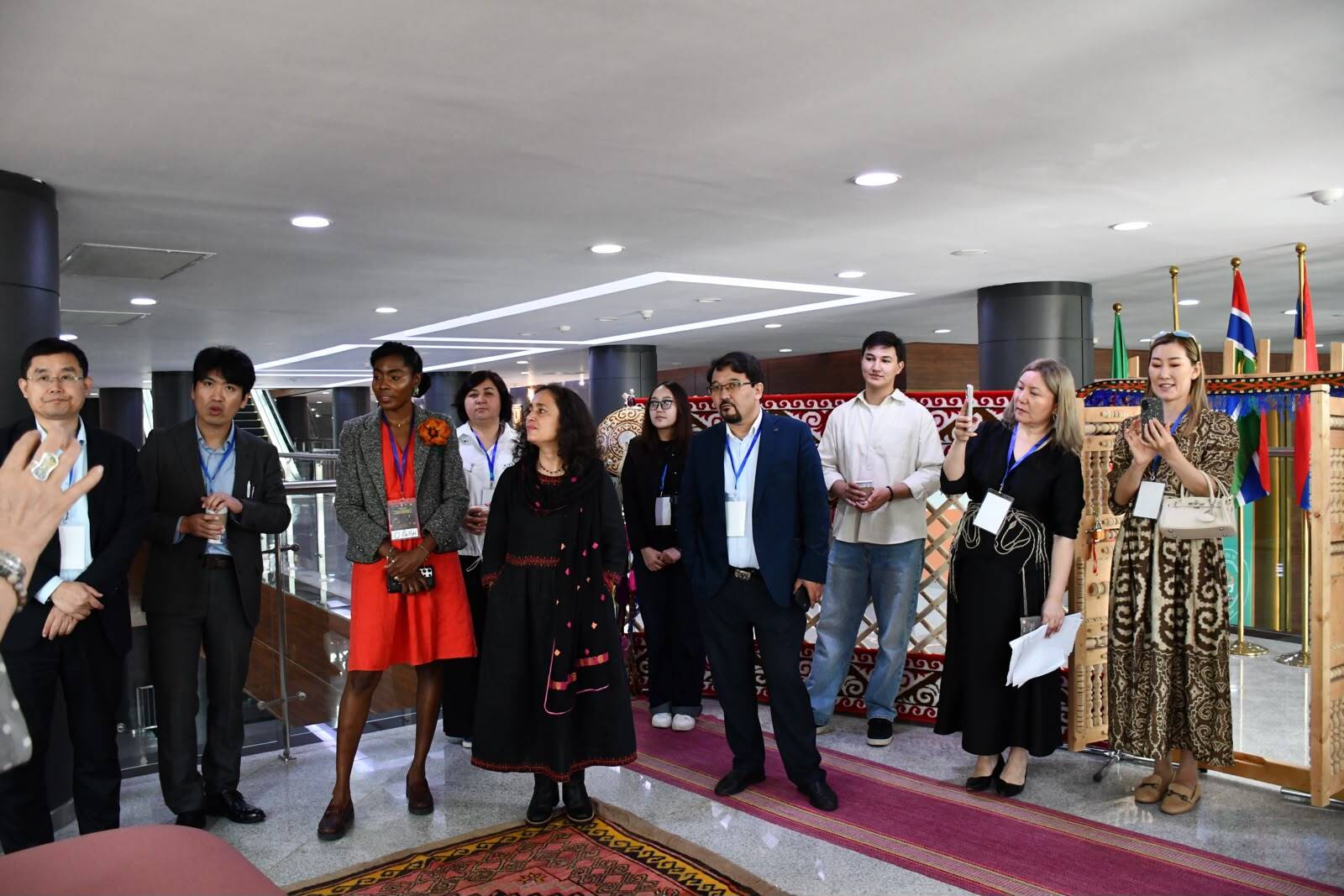
Welcome addresses were also delivered by Cui Yinglan, Cultural Counsellor of the Embassy of the People's Republic of China in the Republic of Kazakhstan, and Aliya Musabekova, Head of the Department of International Security at the Kazakhstan Institute for Strategic Studies under the President of the Republic of Kazakhstan.
Among the keynote presentations was a lecture by Professor Gultas Kurmanbay, Doctor of Pedagogical Sciences at Nazarbayev University, entitled "Harmony of Great Minds: The Spiritual Convergence of the Wisdom of Confucius and Abai." In her presentation, Professor Kurmanbay demonstrated the profound philosophical connections between the two thinkers, highlighting that Confucius' concept of the Junzi (Superior Person) and Abai's Tolyq Adam share a common aspiration: the development of morally mature, educated, just, and socially responsible individuals committed to serving society.
She emphasized that the intellectual legacies of Confucius and Abai continue to serve as universal philosophical guides, promoting personal growth, ethical values, and responsible leadership in today's world.
The academic programme brought together leading researchers from Kazakhstan and China representing Nazarbayev University, Fudan University, Maqsut Narikbayev University, L.N. Gumilyov Eurasian National University, Al-Farabi Kazakh National University, Shanghai International Studies University, Shaanxi Normal University, the Economic Research Institute, the Turkic Academy, and several other research institutions.
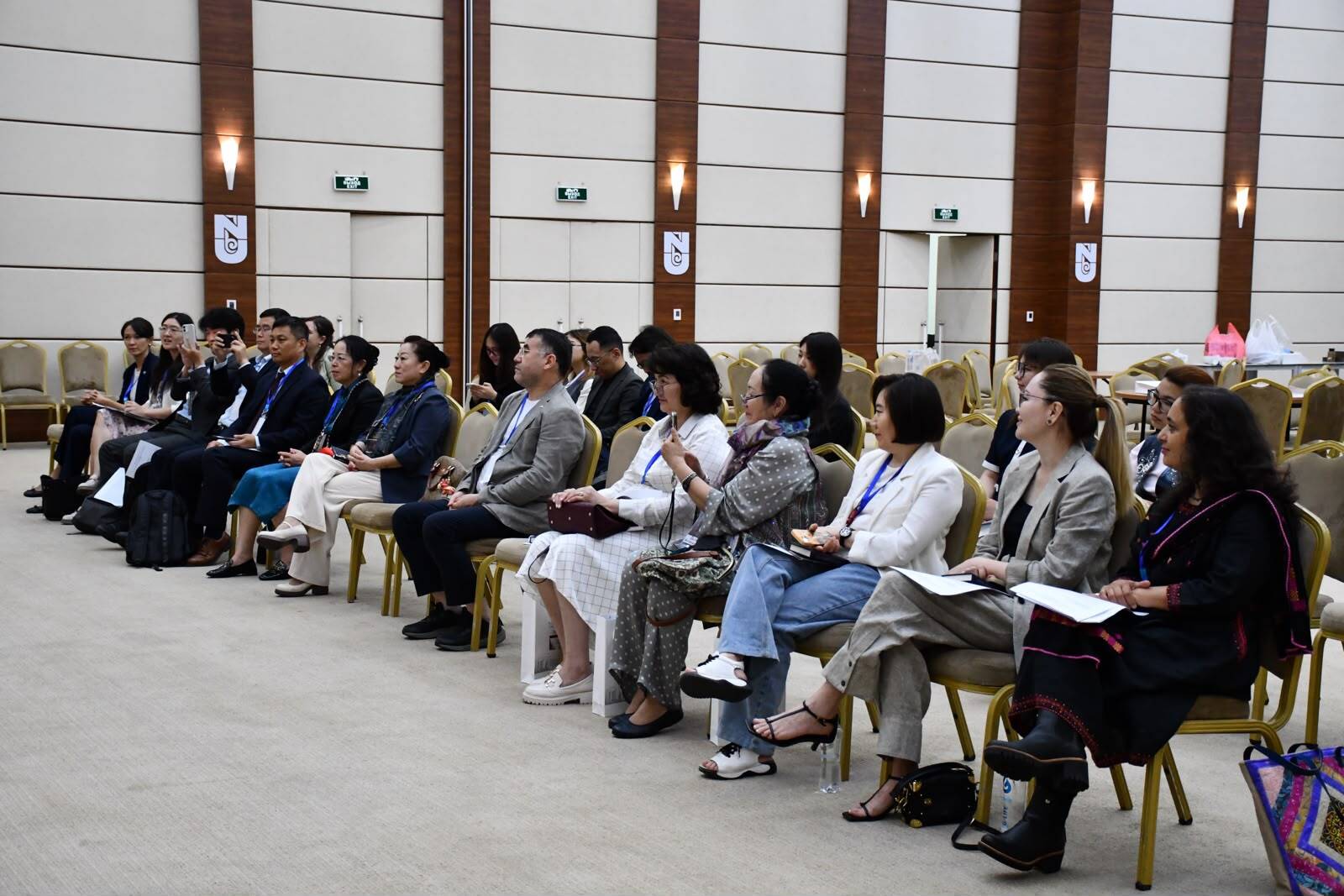
Experts explored a broad range of topics, including global governance, international cooperation, the philosophies of Abai and Confucius, national identity, sustainable development, cultural diplomacy, gender equality, education, and the role of entrepreneurship in shaping modern society. Particular attention was given to Tolyq Adam as a contemporary model of leadership grounded in knowledge, ethical values, and public service.
An important component of the programme was a visit to the Abai Centre at Nazarbayev University, where international guests learned about its educational and research activities dedicated to studying and promoting the philosophical heritage of the great Kazakh thinker. The visit provided participants with a deeper understanding of Abai's enduring significance and demonstrated how his ideas continue to be integrated into the University's teaching and research.
The forum concluded with collaborative discussions centred around five key questions shaping the future of leadership and governance:
- What qualities define an effective leader in the modern world?
- What makes public governance truly ethical?
- How should power be exercised responsibly?
- What is the true purpose of entrepreneurship?
- How can philosophical traditions strengthen international cooperation?
These discussions resulted in a shared vision of how the ideas of Abai and Confucius can contribute to building a more ethical, responsible, and sustainable future.
The forum marked an important milestone in strengthening academic and cultural cooperation between Kazakhstan and China, demonstrating that dialogue between civilizations can create new opportunities for research, education, and international partnership.
A significant contribution to the organization of the forum was made by Dr. Nurzhanat Ametbek, Researcher at the Nazarbayev University Research Centre for Entrepreneurship (NURCE) and Assistant Professor at the International School of Economics, Maqsut Narikbayev University. Through her academic initiative and organizational leadership, the forum brought together scholars from diverse academic traditions and provided a platform for international dialogue, knowledge exchange, and the development of new research collaborations.
The successful organization of the forum once again affirmed the role of Nazarbayev University and the Nazarbayev University Research Centre for Entrepreneurship (NURCE) as an international platform that connects scholars and experts in addressing global challenges through the lens of cultural heritage, research, and values-based leadership. The forum demonstrated that the philosophical legacies of Abai and Confucius continue to inspire contemporary scholarship and provide a strong foundation for building a more ethical, responsible, and sustainable future.