New Research Paper Published in Q1 Journal Organization Studies: Epigenetic Alteration and Institutional Identity
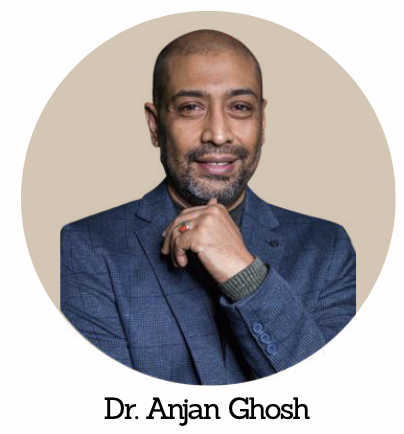
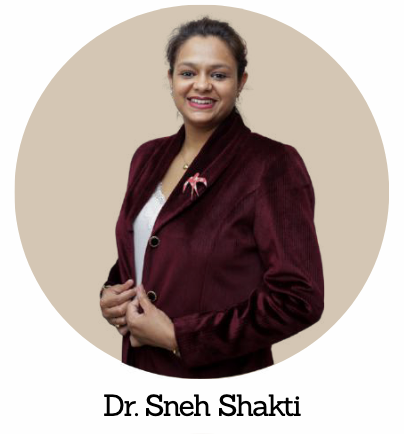
Colleagues from NURCE and the Nazarbayev University Graduate School of Business have published new research in Organization Studies — a Q1-ranked journal with an h-index of 187 and an impact factor above 6. The paper is co-authored by Dr. Anjan Ghosh and Dr. Sneh Shakti alongside Dr. Nurlykhan Aljanova from Nazarbayev University, with further collaborators from Cambridge and the Kazakh National Academy of Arts.
The paper is titled “Epigenetic Alteration: Identity Transformation of an Iconic Soviet Circus in Post-Soviet Kazakhstan”and draws on six years of fieldwork inside the Kazakh State Circus itself. For most of the twentieth century, the Kazakh State Circus was one of Soviet cultural life’s proudest exports. Then the Soviet Union that gave it meaning simply stopped existing — and the circus was left to work out, in public and in real time, what it was now for.
The authors ask a question most organisational research skips past: not how institutions manage clear, well-understood disruption, but how they survive the murkier kind, where the old rules have quietly stopped working and nothing has yet arrived to replace them. Their answer introduces the concept of epigenetic alteration — identity change that happens gradually, collectively, and reversibly, rather than through a single dramatic break with the past. Through four mechanisms — sensing the threat together, rediscovering meanings buried in the institution’s own history, weaving old and new symbols side by side, and reinforcing only what proved to hold — the circus rebuilt itself, piece by piece, into a distinctly Kazakh cultural institution. Six years of watching one circus produced a theory that any institution caught between an old identity and an unwritten new one might recognise.
DOI: 10.1177/01708406261459057