Nazarbayev University Hosts the Gender, Work & Organization International Conference for the First Time
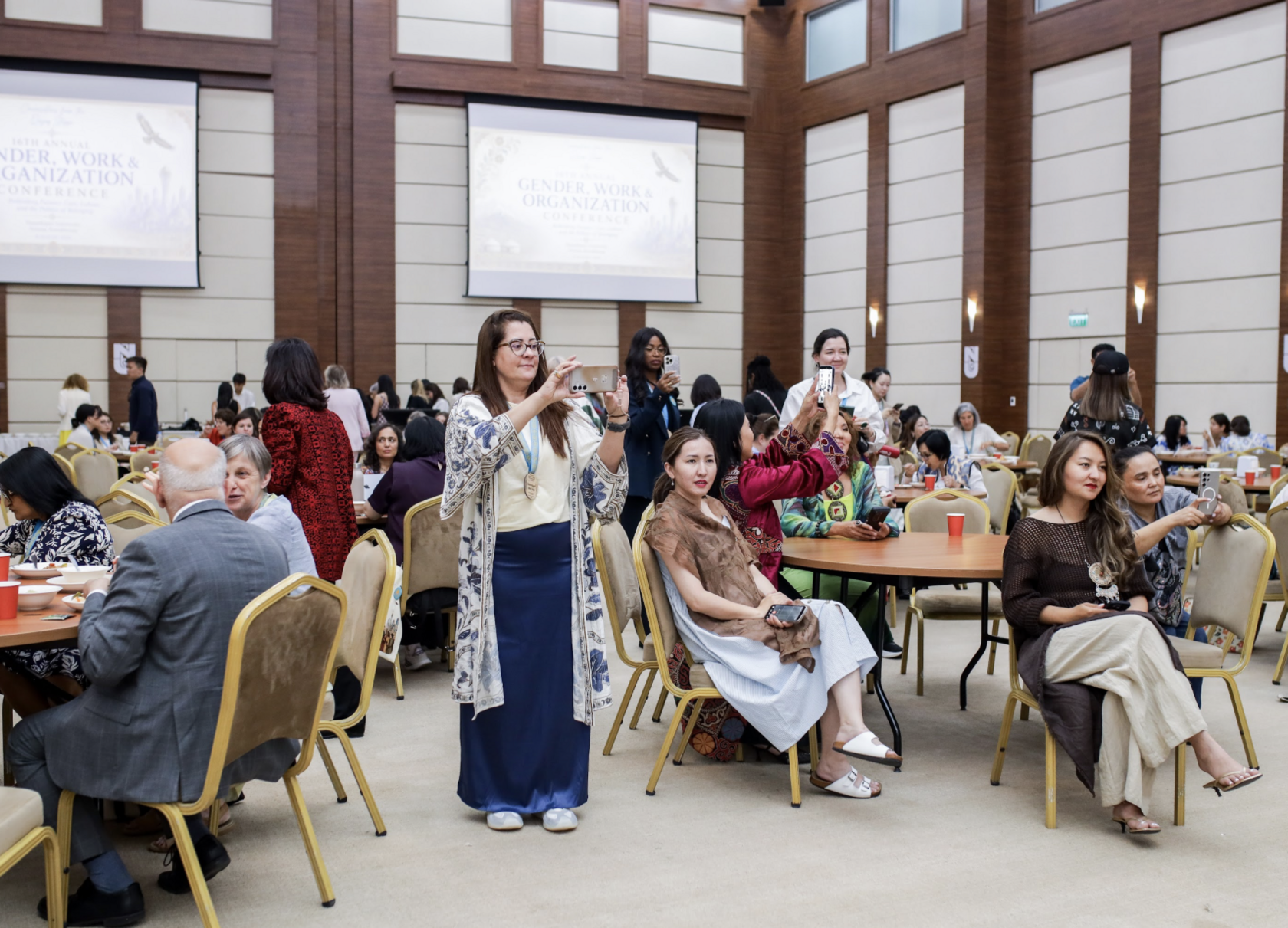
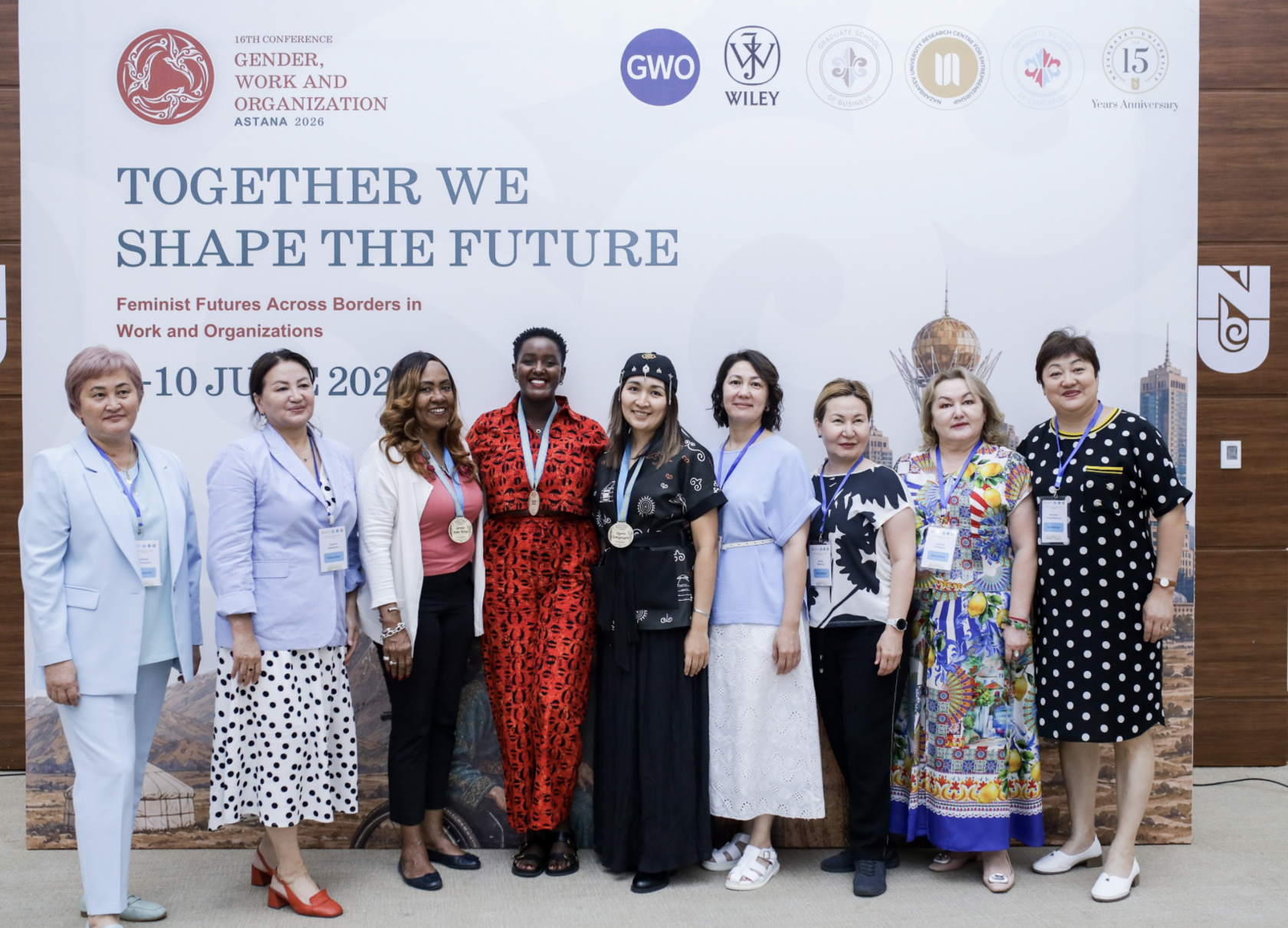
From 7–10 June 2026, Nazarbayev University hosted the 16th Annual Gender, Work & Organization (GWO) International Conference, one of the world's leading academic forums dedicated to research on work, leadership, entrepreneurship, organizational studies, gender equality, and social inclusion.
For the first time in the conference's history, the event was held in Kazakhstan. This marked a significant milestone not only for Nazarbayev University but also for the country's academic community, highlighting Kazakhstan's growing role in the global research landscape. The conference was organized by the Nazarbayev University Research Centre for Entrepreneurship (NURCE).
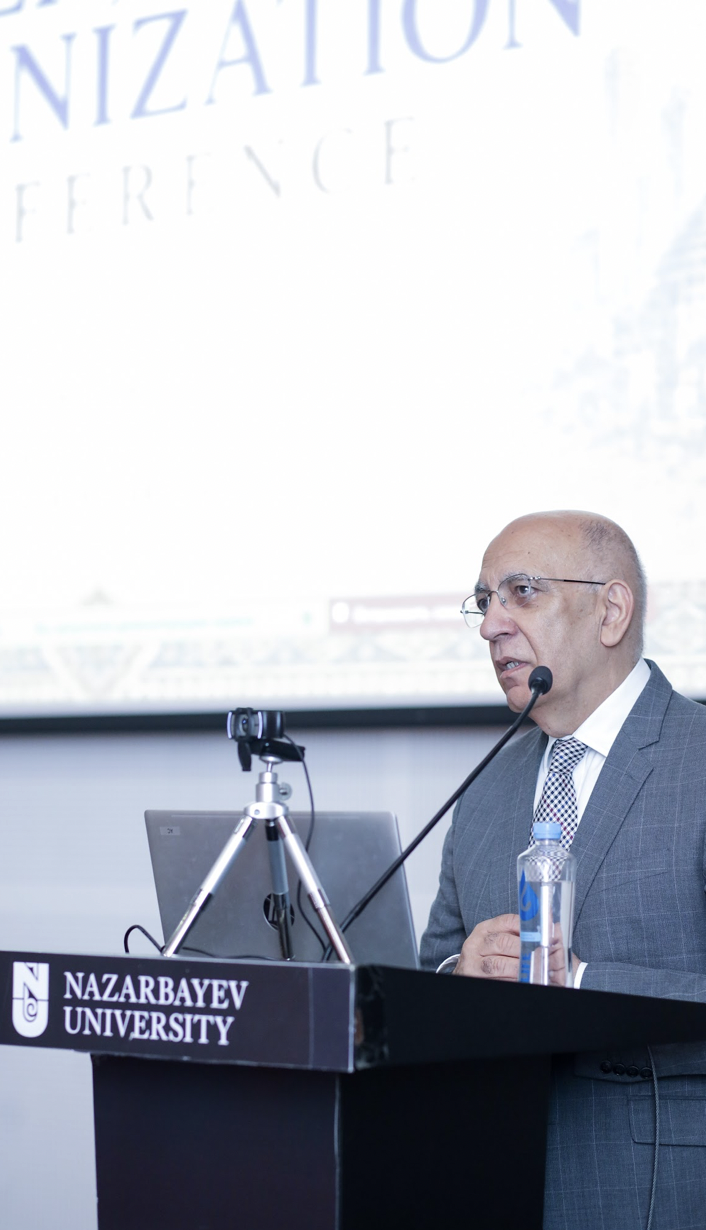
The conference was officially opened by Professor Waqar Ahmad, President of Nazarbayev University, Professor Ilesanmi Adesida, Provost of the University, and Dr. Aigerim Tarbagatayeva, Director of NURCE. In her welcoming remarks, Dr. Tarbagatayeva emphasized the importance of hosting the conference in fostering international academic collaboration and increasing the global visibility of research conducted in Kazakhstan.
The conference brought together internationally renowned scholars, editors of leading academic journals, and experts in organizational studies, leadership, entrepreneurship, and gender research. Distinguished participants included Professor Shumaila Yousafzai, Editor-in-Chief of Gender, Work & Organization (Cardiff University, UK); Dr. Zumrad Kataeva; Professor Mairead Dunne (University College Cork, Ireland); Professor Mustafa Özbilgin (University of East Anglia, UK); Professor Mina Beigi (University of Southampton, UK; Associate Editor of Human Relations); Professor Natalia Vershinina (Audencia Business School, France; Co-Editor of Gender, Work & Organization); Professor Bettina Lynda Bastian; and Dr. Bronwyn Wood. Their participation underscored the conference's international standing and provided researchers, faculty members, and doctoral students from Kazakhstan with a unique opportunity to engage directly with leading scholars from around the world.
The conference opened on 7 June with the Doctoral Plenary Day, a dedicated programme for doctoral candidates and early-career researchers. Seven educational sessions were delivered by leading international academics, focusing on contemporary research methods, academic writing, publishing in international journals, research ethics, and academic career development.
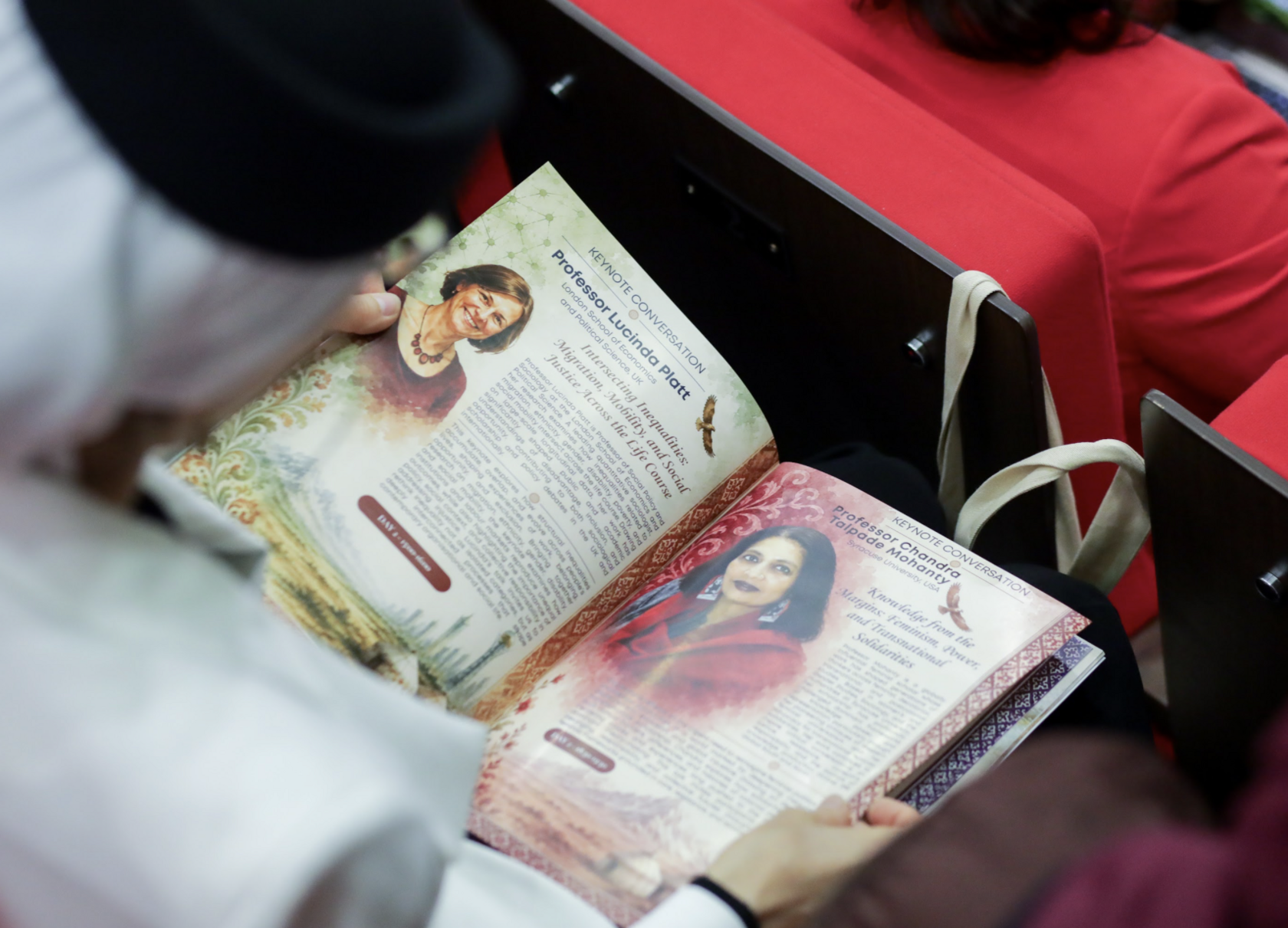
Highlights of the programme included "Writing for Publication: Developing Your First Research Paper", delivered by Professor Natalia Vershinina, which focused on publishing in leading international journals; "Migration, Inequality & Building an International Academic Career" by Professor Lucinda Platt (London School of Economics and Political Science, UK); "Decolonial Research Methods: Migration, Care & Marginalized Voices" presented by Professor Encarnación Gutiérrez Rodríguez (Goethe University Frankfurt, Germany); "Navigating an Academic Career: Research, Leadership & Belonging" by Professor Mina Beigi; and "Ethics, Reflexivity & Positionality in Research Practice" led by Professor Mairead Dunne. The programme opened with "Crafting Qualitative Research: Interviews, Narratives & Fieldwork", delivered by Dr. Dipsikha Guha Majumdar and Dr. Tabitha Sindani, and concluded with the panel discussion "Researching Beyond the Mainstream: Diversity, Positionality & the 'Permission to Narrate'", led by Junya Yanagi, George Kyparissiadis, and Vimal Kumar.
Following the educational programme, doctoral researchers presented their research projects to international experts and received professional feedback to support the further development of their work.
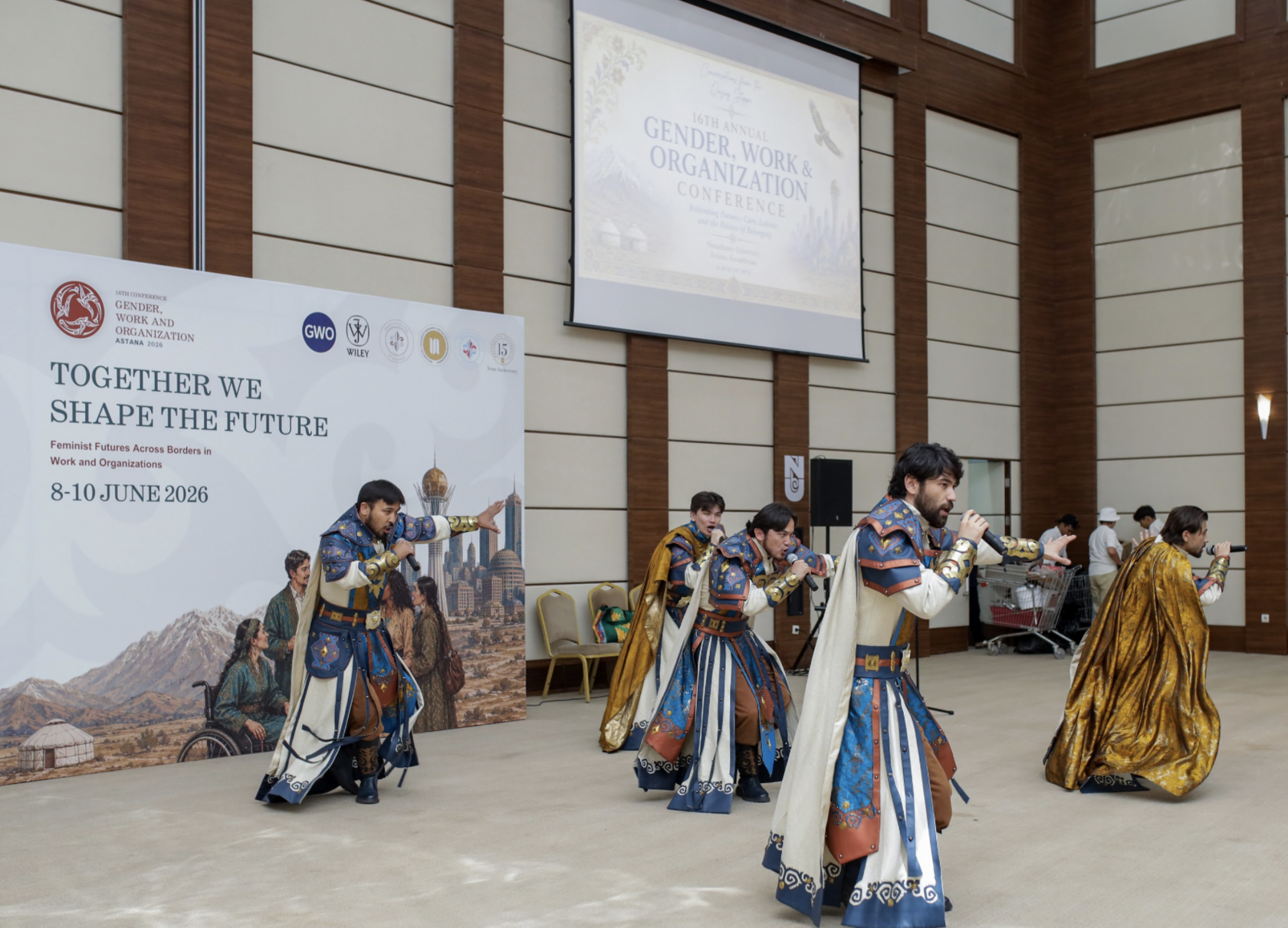
The main conference programme took place from 8–10 June under the theme "Rethinking Futures: Care, Labour, and the Politics of Belonging." Over the course of three days, Nazarbayev University welcomed more than 175 researchersparticipating both in person and online. Participants represented leading universities from the United Kingdom, Germany, the United States, Canada, Ireland, France, Norway, the United Arab Emirates, as well as countries across Central Asia and the Middle East.
The conference featured 30 thematic sessions addressing contemporary issues including inclusive entrepreneurship, the impact of artificial intelligence on labour markets, sustainable leadership, gender equality, social justice, organizational change, and the decolonization of knowledge.
Particular attention was devoted to research on Central Asia. International scholars presented studies on women's entrepreneurship, cultural identity, changing family roles, and organizational development across the region, helping to position research from Kazakhstan and Central Asia within the global academic agenda.
A special Gaza Special Session explored the role of science and higher education during humanitarian crises. Participants discussed ways to support academic communities, ensure continuity of education, and strengthen the contribution of research to addressing global challenges.
Beyond its academic programme, the conference also celebrated culture and social entrepreneurship. The Tamyr Bazarexhibition brought together social entrepreneurs, artisans, and small business owners, while a traditional Kazakh yurt was installed on campus, allowing international guests to experience Kazakhstan's cultural heritage and examples of socially responsible entrepreneurship.
Participants also enjoyed a cultural programme that included visits to the ALZHIR Memorial Museum Complex and the Astana Grand Mosque, offering insights into Kazakhstan's history, culture, and spiritual heritage.
In addition to its scholarly programme, the conference served as an important platform for establishing new international partnerships. Formal meetings and informal networking sessions resulted in discussions on collaborative research projects, joint publications, academic mobility initiatives, and new opportunities for cooperation between universities across different countries.
Hosting the conference represented a significant achievement for both Nazarbayev University and the Nazarbayev University Research Centre for Entrepreneurship (NURCE). By becoming the first institution in Kazakhstan to host the annual Gender, Work & Organization Conference, the University demonstrated its capacity to organize world-class academic events and further strengthened its position as one of Central Asia's leading research universities.
Conference Highlights
- The annual Gender, Work & Organization Conference was held in Kazakhstan for the first time, hosted by Nazarbayev University.
- More than 175 researchers from around the world participated both in person and online.
- Thirty academic sessions explored contemporary issues in leadership, entrepreneurship, work, and social inclusion.
- New partnerships were established with leading universities across Europe, North America, Central Asia, and the Middle East.
- The conference created new opportunities for collaborative research, international publications, and academic mobility.
- The international profile of Nazarbayev University and NURCE was further strengthened as a globally recognized platform for academic excellence.
The successful hosting of the conference once again demonstrated that Nazarbayev University is an integral part of the global academic community—a place where new ideas, international partnerships, and innovative research emerge to address the pressing challenges of our time.